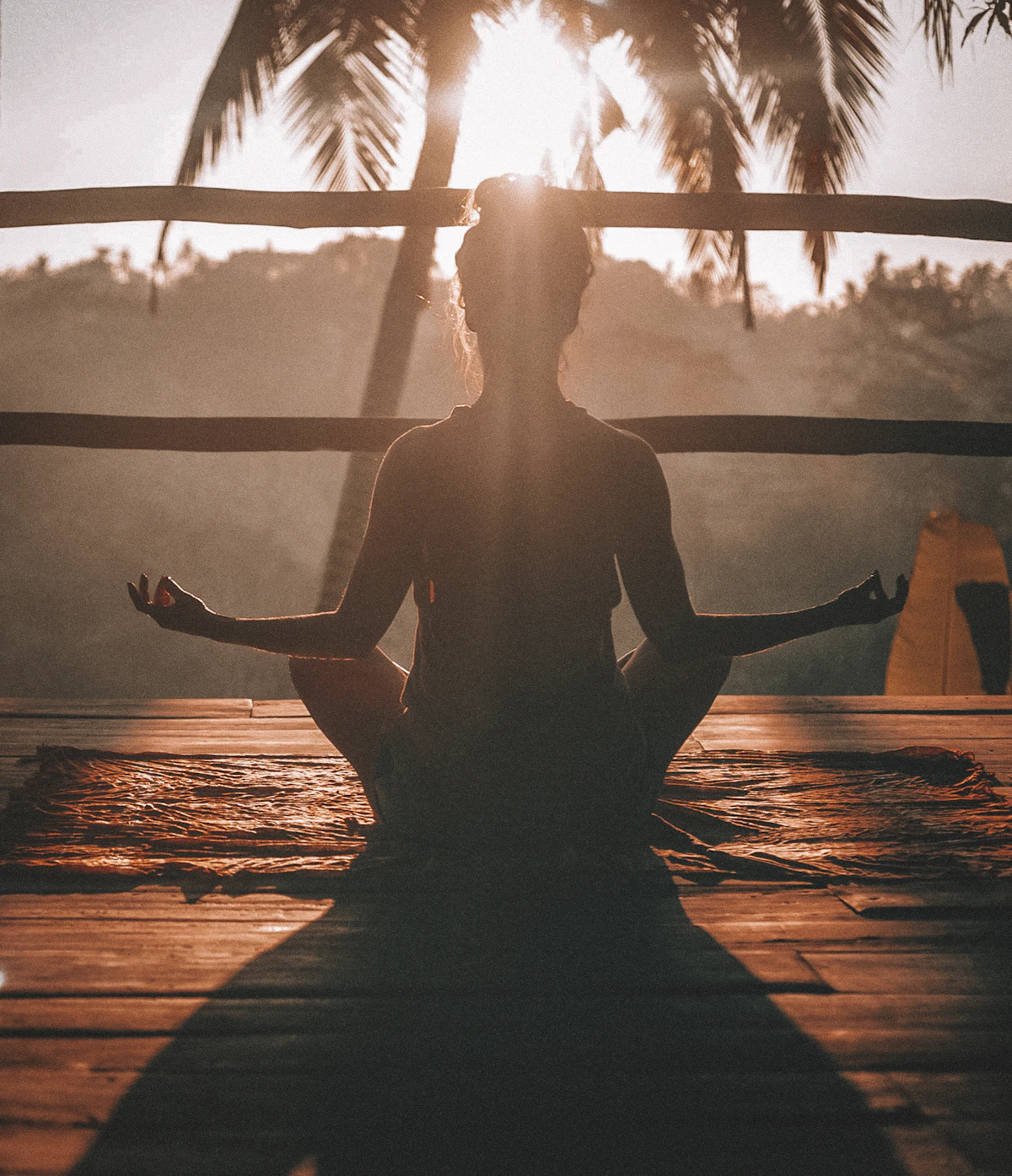
Pranayama is the ancient yogic practice of controlling the breath, which is the source of our prana, or vital life force. For centuries, practitioners have used these techniques to balance the mind and body. In today's fast-paced world, pranayama offers a simple yet powerful way to reclaim your peace and vitality from the comfort of your own home.
What Are the 3 Best Pranayama Techniques for Beginners?
The 3 best pranayama techniques for beginners are:
- Nadi Shodhana (Alternate Nostril Breathing): Balances energy and reduces stress.
- Bhramari (Bee Breath): Calms the mind and relieves anxiety.
- Dirga (Three-Part Breath): Improves lung capacity and promotes deep relaxation.
These techniques are safe, easy to learn, and research suggests they may help reduce stress and improve focus for beginners.
What is Pranayama?
Pranayama is the yogic science of breath control. The word is derived from two Sanskrit roots: 'Prana', meaning life force or vital energy, and 'Ayama', meaning to extend or draw out. By consciously regulating the rhythm of our inhalation, exhalation, and retention, we can influence the flow of energy throughout our entire system.
Roots in ancient yoga traditions, pranayama was traditionally used as a preparation for deep meditation. In modern times, its benefits have been scientifically recognized for reducing stress, improving focus, and boosting overall energy levels. It serves as a bridge between the physical and mental aspects of yoga, providing a direct pathway to emotional regulation.
Takeaway: Pranayama is more than just deep breathing; it is a systematic approach to managing your body's vital energy through conscious regulation.
Benefits of Pranayama for Beginners
Starting a pranayama practice can yield significant improvements in your daily quality of life. Here are five key benefits for beginners:
- Reduces anxiety and stress: By activating the parasympathetic nervous system, it helps lower cortisol levels.
- Improves focus and concentration: Controlled breathing helps steady the mind and sharpen cognitive clarity.
- Boosts energy levels: Increased oxygenation and energy flow help combat fatigue naturally.
- Strengthens the respiratory system: Regular practice improves lung capacity and efficiency.
- Improves sleep quality: Calming techniques help prepare the body and mind for restful sleep.
Takeaway: Consistent pranayama practice acts as a natural stress-reliever and energy booster that enhances both mental and physical health.
5 Best Pranayama Techniques for Beginners
1. Anulom Vilom (Alternate Nostril Breathing)
This technique involves breathing through one nostril at a time while closing the other. It is excellent for balancing the two hemispheres of the brain and inducing a sense of deep calm and equilibrium.
2. Bhramari (Humming Bee Breath)
While exhaling, create a gentle humming sound like a bee. This vibration has a soothing effect on the nervous system and is particularly effective for reducing instant stress and frustration.
3. Kapalbhati (Skull Shining Breath)
This consists of short, powerful exhalations followed by passive inhalations. It is a cleansing practice that helps clear the respiratory passages and invigorates the mind with fresh energy.
4. Ujjayi (Ocean Breath)
By slightly constricting the back of the throat, you create a soft whispering sound during both inhalation and exhalation. It helps maintain focus and internal heat during yoga practice.
5. Deep Belly Breathing (Diaphragmatic)
Focus on drawing the breath deep into the abdomen rather than the chest. This foundational technique ensures maximum oxygen intake and triggers the body's natural relaxation response.
Takeaway: Beginners should start with simple techniques like Deep Belly Breathing and Anulom Vilom before progressing to more vigorous practices like Kapalbhati.
How to Start Pranayama at Home
Starting a pranayama practice at home is straightforward but requires consistency. The best time to practice is early in the morning on an empty stomach, when the mind is naturally quiet and the air is fresh. Begin with just 10 minutes a day, gradually increasing the duration as you become more comfortable with the techniques.
Find a comfortable seated position, either on a yoga mat with crossed legs or in a chair with your spine straight. Keeping the spine aligned is crucial for the free flow of energy. If you are looking for guided instruction to ensure you are practicing safely, you can join online pranayama classes where expert trainers can provide real-time corrections and personalized advice.
Takeaway: Consistency and proper posture are the keys to a successful home pranayama practice; even 10 minutes a day can make a difference.
Frequently Asked Questions
Find answers to common questions about starting your pranayama journey.
Takeaway: Always listen to your body and consult a professional if you have underlying health conditions before starting a new breathing routine.
Ready to begin your pranayama journey? Join our online pranayama classes with certified trainers at Zuga Fitness — first session free!
You May Also Like


