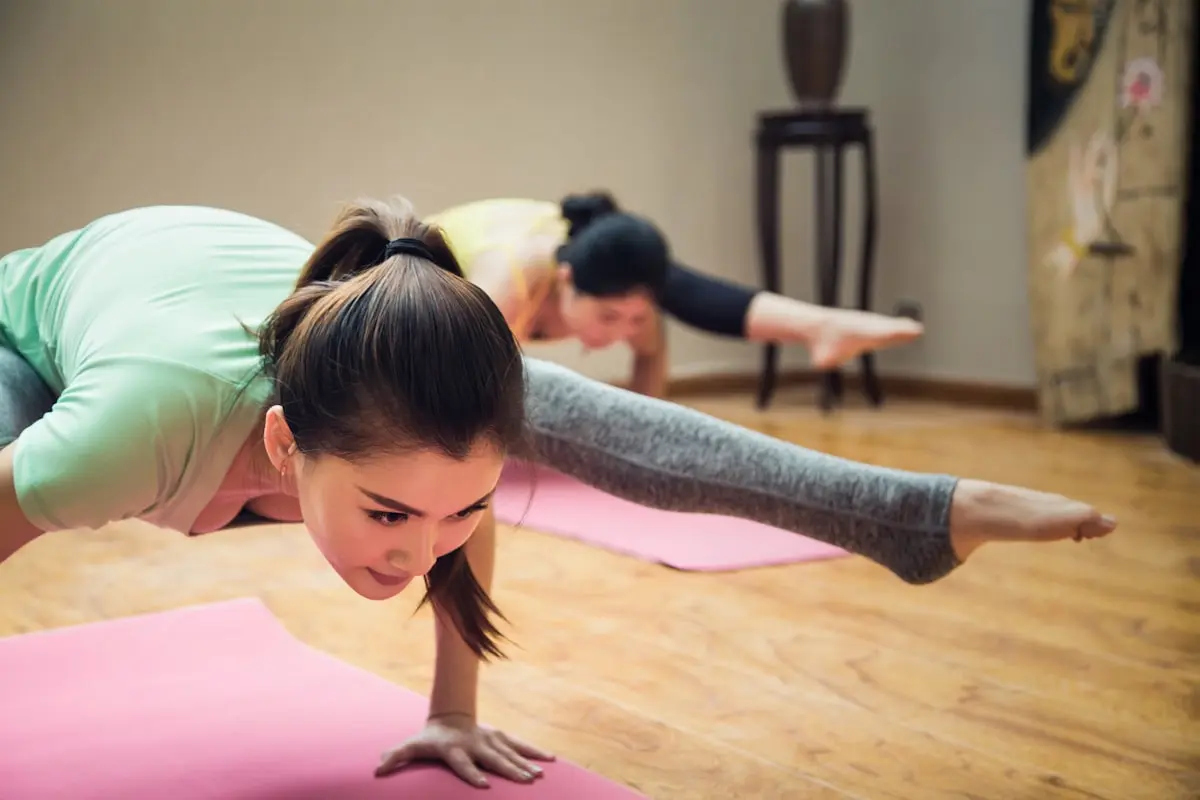
Practicing yoga for back pain is a highly effective way to rebuild mobility and find natural relief from spinal stiffness. Back pain drains your energy, makes desk work painful, and disrupts sleep. While many seek quick fixes like medication or bed rest, a resilient back requires targeted movement. In this guide, you will learn how to strengthen your core, decompress your spine, and restore your mobility safely.
Reviewed by Mallinath, Certified Yoga & Fitness Instructor, Zuga Fitness
Why Yoga Works for Back Pain
To heal back pain, we must view the body as an integrated system. Back pain often stems from tight hamstrings, weak core muscles, and poor posture. Yoga addresses these root causes through three core pillars:
- Improved Mobility: Gentle stretching increases circulation to tight muscles, restoring a healthy range of motion in your hips, hamstrings, and shoulders.
- Core Strengthening: Active engagement of your deep core muscles stabilizes your lumbar spine, acting as a natural corset to reduce lower back load.
- The Power of Breath: Deep breathing downregulates the sympathetic nervous system, physically changing your stress response to promote cellular-level relaxation and break muscle spasms. Consider our pranayama practices for deeper breathwork techniques.
By combining these elements, you create a structural anatomical intervention that helps you move with ease and less discomfort.
7 Yoga Asanas for Back Pain
Let's explore seven specific yoga asanas for back pain that are highly effective for stretching tight muscles and strengthening your supporting structures. When practicing these yoga poses for back pain, move slowly, breathe deeply, and never force your body into discomfort.

1. Marjaryasana-Bitilasana (Cat-Cow Pose)
- How-to:
- Start on hands and knees with wrists under shoulders and knees under hips.
- Inhale, drop your belly and lift your chest to look upward (Bitilasana).
- Exhale, round your spine toward the ceiling and tuck your chin (Marjaryasana).
Why it helps: This flow gently mobilizes the entire spinal column, relieving stiffness in the lumbar and thoracic regions.
Caution: Keep your head in a neutral position if you have a neck injury.
2. Balasana (Child's Pose)
- How-to:
- From tabletop, bring your big toes together and widen your knees.
- Send your hips back toward your heels and fold your torso forward.
- Rest your forehead gently on the mat and extend your arms forward.
Why it helps: This restorative pose gently stretches the lower back, glutes, and hips while allowing your spine to lengthen passively and promoting deep relaxation.
Caution: Place a rolled blanket between your thighs and calves if you have knee pain.
3. Adho Mukha Svanasana (Downward-Facing Dog)
- How-to:
- Start in tabletop, tuck your toes, and lift your knees off the floor.
- Press through your hands to send your hips back and up, creating an inverted "V" shape.
- Keep a generous bend in your knees to focus on lengthening your spine.
Why it helps: This pose stretches the hamstrings and calves, which often contribute to lower back pull, while building core support.
Caution: Keep your knees bent to protect a sensitive lower back.
4. Setu Bandha Sarvangasana (Bridge Pose)
- How-to:
- Lie on your back with knees bent and feet flat on the floor, hip-width apart.
- Press through your feet to lift your hips and lower back off the mat.
- Engage your glutes and hold the lift for 5 deep, steady breaths.
Why it helps: This pose strengthens the lower back, glutes, and hamstrings, which supports your spine and relieves lower back pressure.
Caution: Keep your head straight to protect your neck.
5. Bhujangasana (Baby Cobra Pose)
- How-to:
- Lie on your stomach with legs extended straight, tops of feet flat on the mat.
- Place hands under shoulders, hugging your elbows close to your sides.
- Press your pubic bone down and inhale to gently lift your chest off the mat.
Why it helps: Baby Cobra is a gentle backbend that strengthens your erector spinae and helps counteract desk-bound slouching.
Caution: Do not force the lift if you have an acute lower back spasm.
6. Supta Matsyendrasana (Supine Spinal Twist)
- How-to:
- Lie on your back, hug your knees to your chest, and extend arms in a "T" shape.
- Slowly lower both knees to the right side, keeping your left shoulder flat.
- Hold for 10 breaths, then repeat on the opposite side.
Why it helps: This gentle twist stretches the obliques, glutes, and lower back, restoring healthy rotational mobility to the spine.
Caution: Place a block under your knees if they do not comfortably reach the floor.
7. Viparita Karani (Legs-Up-the-Wall Pose)
- How-to:
- Sit with one hip close to a wall, then swing your legs up onto the wall as you lie down.
- Let your legs rest vertically with your lower back flat on the floor.
- Relax your arms by your sides and breathe naturally for 5 to 15 minutes.
Why it helps: This restorative pose allows the lower back muscles to release flat against the floor, removing all spinal pressure.
Caution: Slide your hips back slightly if your hamstrings feel tight.
Trainer's note: As your trainer, I always remind clients that your breath is your best biofeedback tool. If you find yourself holding your breath or breathing shallowly during any of these poses, it is a clear sign that your body is in a protective state and you need to back off. We want to soothe your nervous system, not trigger more tension.
3 Poses to Avoid With Back Pain (and what to do instead)
Knowing which asanas to avoid in back pain is just as important as knowing which ones to practice. Certain movements can put excessive pressure on your intervertebral discs.
- Uttanasana (Deep Standing Forward Fold): Folding forward with straight legs can put immense pressure on your lower back and pull hard on tight hamstrings.
What to do instead: Keep a generous bend in your knees and place your hands on blocks to support your body weight. - Halasana (Plow Pose): This advanced inversion places your entire body weight on your neck and upper back while placing your lumbar spine in extreme flexion.
What to do instead: Stick to Setu Bandha Sarvangasana (Bridge Pose), which offers a gentle extension for your spine without putting pressure on your neck. - Paschimottanasana (Seated Forward Bend): Sitting and reaching for your toes causes the lower back to round excessively, creating a high-risk loading angle for your spinal discs.
What to do instead: Sit on a folded blanket to tilt your pelvis forward, bend your knees, and use a strap around your feet to keep your spine straight.
How Often Should You Practice?
Consistency is far more important than intensity when using yoga poses to relieve back pain. A 10 to 15-minute daily practice is far more beneficial than a grueling 90-minute class once a week. Start with 3 to 4 times a week, focusing on gentle mobility (Cat-Cow) and passive release (Legs-Up-the-Wall). As your back strength improves, you can gradually build up to a daily routine with online yoga classes. Patience is key; your body needs time to adapt to new movement patterns.
When to See a Doctor First
While yoga is generally safe, back pain can be a symptom of a more serious underlying issue. Consult a doctor before starting if you experience red flag symptoms:
- Sharp, shooting pain radiating down one or both legs.
- Numbness, tingling, or weakness in your legs or feet.
- Loss of bowel or bladder control (requires immediate medical attention).
- Pain accompanied by fever, unexplained weight loss, or major trauma.
- Pain that wakes you up in the night or worsens when lying flat.
Always obtain medical clearance if you have a diagnosed spinal condition, like a herniated disc or severe spinal stenosis.
Common Mistakes That Make Back Pain Worse
Avoid these common errors when using yoga poses for back pain to prevent worsening your discomfort:
- Pushing Through Pain: In therapeutic yoga, pain is a stop sign. If a pose hurts, you must stop immediately.
- Rounding the Spine in Transitions: Rounding your back while moving in and out of forward folds places a massive load on your lumbar spine. Always hinge from your hips and keep your chest lifted.
- Comparing Yourself to Others: Every body is built differently. Focus entirely on your own mat rather than trying to match someone else's flexibility.
- Not Using Props: Props are essential tools that enhance your alignment, protect your joints, and allow you to experience the therapeutic benefits of a pose safely.
Frequently Asked Questions
The best yoga asanas for back pain focus on gentle mobilization and passive traction, like Cat-Cow (Marjaryasana-Bitilasana), Child's Pose (Balasana), and Legs-Up-the-Wall (Viparita Karani). These asanas release muscle tension and improve circulation without spinal stress.
Yes, specific yoga poses relieve back pain by stretching tight muscles, strengthening your core, and improving posture. Additionally, research suggests yoga changes your stress response at a cellular level, which can lower pain perception.
Avoid deep forward bends like Standing Forward Fold (Uttanasana) and Seated Forward Fold (Paschimottanasana), or Plow Pose (Halasana). Instead, modify these movements by bending your knees and using blocks or straps.
Many experience temporary relief after their first session, but lasting results require 4 to 12 weeks of practice. Building core support and re-educating your posture is a gradual process relying on regular, gentle consistency.
Yes, working with an online personal yoga trainer is safe because it provides real-time feedback and personal correction via live Zoom. A live instructor can see your alignment and modify poses to protect your spine and prevent injury.
Final Thoughts
Your back pain does not have to be a permanent obstacle to living an active, high-energy life. By choosing a mindful, structural approach to movement, you can rebuild your spinal resilience and reclaim daily comfort.
If you are ready to find a safe, personalized path forward, consider booking a free 1-on-1 spinal and movement assessment with one of our certified trainers. We will evaluate your posture, assess your mobility, and design a custom routine built specifically for your back and busy schedule. Let's work together to help you breathe better, move easier, and live without limits.
Sources & Further Reading
